Short-circuiting civil disobedience: Do your local leaders hand out stimulants or sleeping pills?
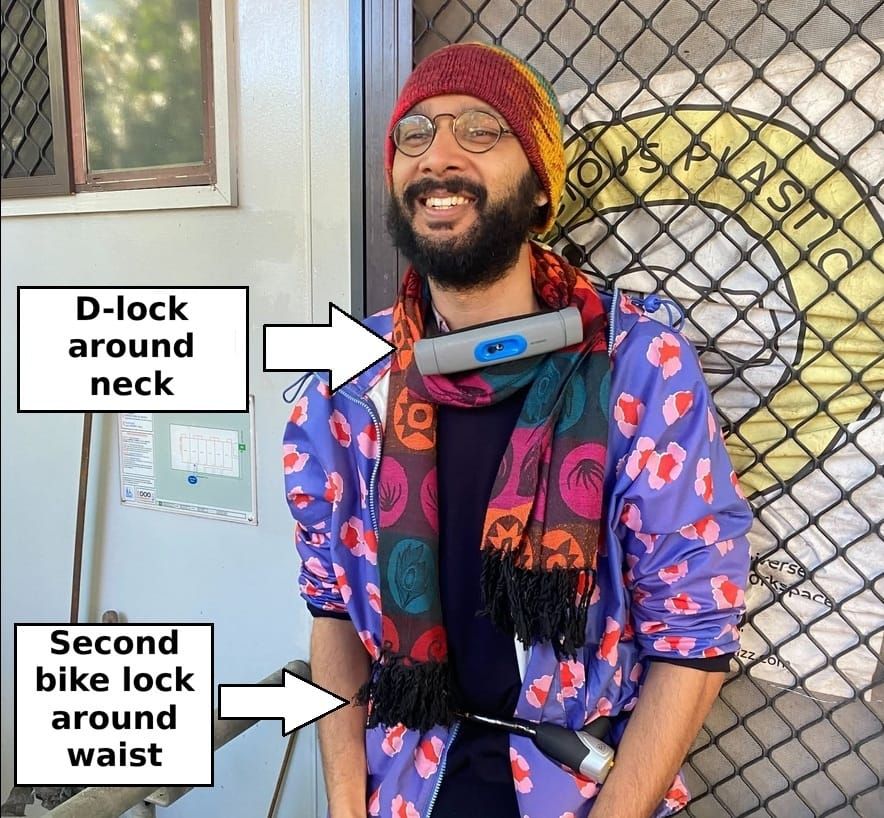
After my election to Brisbane City Council in 2016, my team and I confronted a harsh reality: as a lone Greens rep in a council where the LNP held 20 out of 27 votes, I had far less structural power than we'd (naively) hoped.
Despite a strong mandate from my community, I often didn't even have enough influence to secure small local improvements – zebra crossings, bike lanes, construction noise limits – which most residents understandably assumed would be well within my power.
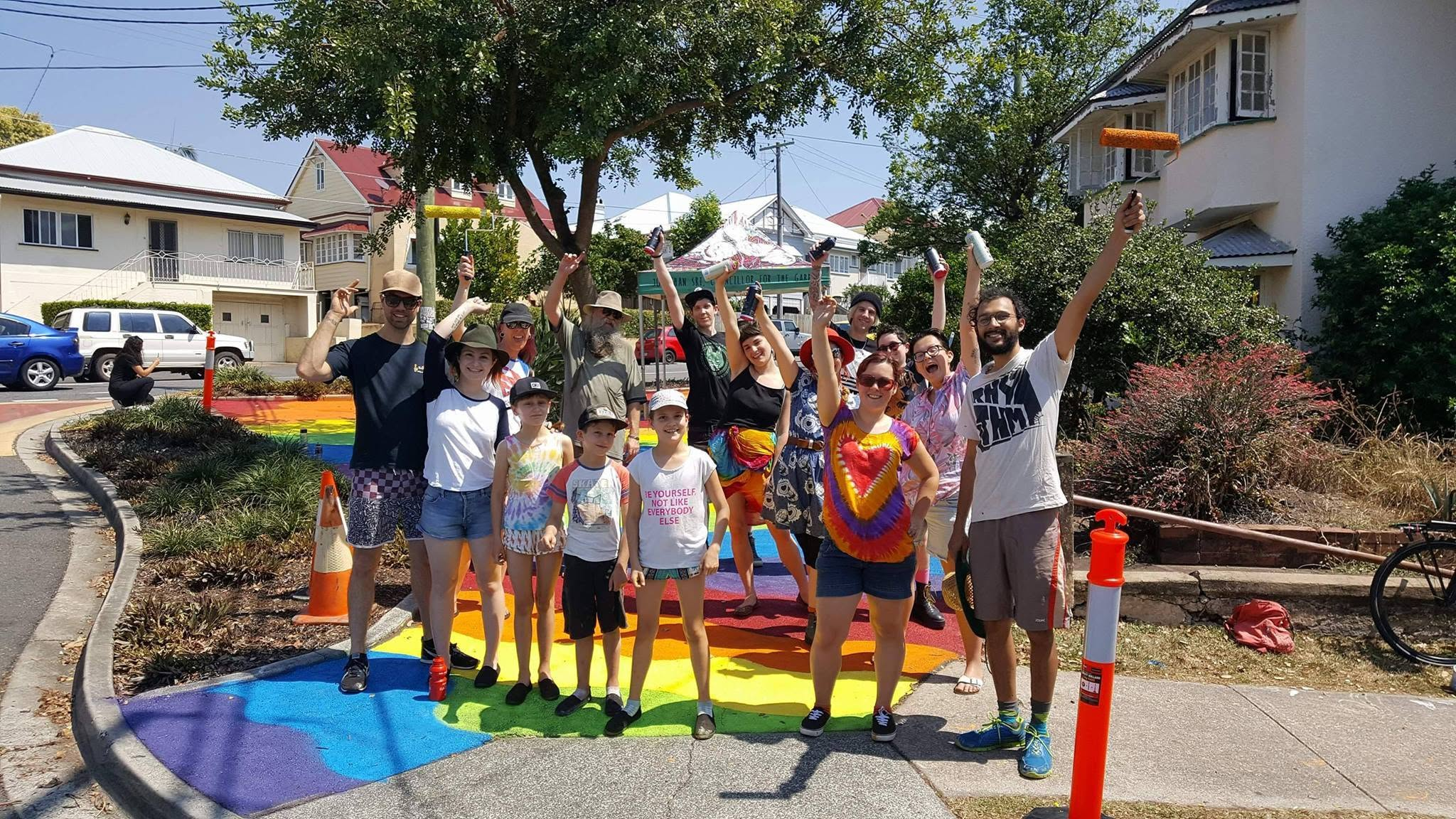
For some issues, there were opportunities to work collaboratively with the council bureaucracy and councillors from other parties (which I did regularly). But seeing the lay of the land, we recognised that getting results on other important issues would require disruptive civil disobedience – tactics such as tree-sits, building occupations, peak-hour road blocks, guerilla gardening, unauthorised public art, and blockading construction site driveways.
In 2016, this was a slightly controversial approach even among Greens supporters. Other progressive politicians around Australia often turned up to speak at authorised public rallies, but they rarely endorsed disruptive direct actions, and certainly never co-organised them.
But time and again, I found that for issues where the LNP was hostile to progressive change, if we only used advocacy channels that the establishment considered legitimate – petitions, submissions, non-disruptive public meetings and rallies in parks – residents' concerns were ignored, or placated with crumbs and greenwashing. Whereas when I helped organise locals to participate in direct action that caused a headache for the council, the state government, or private developers, we achieved tangible positive outcomes.
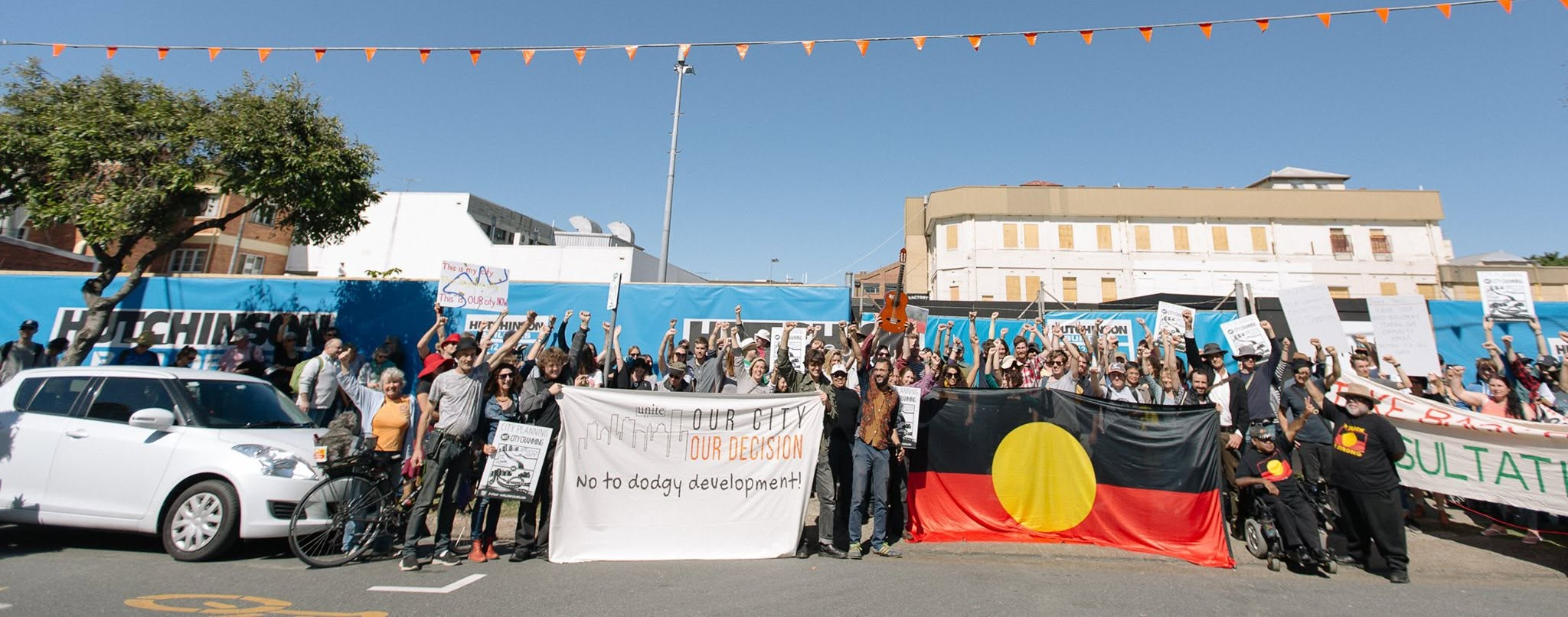
Sometimes we won direct improvements regarding specific projects, while in other contexts, controversial statements and actions helped broaden parameters of debate and elevate concerns about structural issues, shifting the political dial towards deeper changes.
From securing bike lanes through Woolloongabba and on Victoria Bridge, to traffic light installations along West End's Montague Road, to improving the design and green space outcomes on various private highrise development projects, to preventing public housing tenants being evicted, local activism worked.
 Jonathan Sriranganathan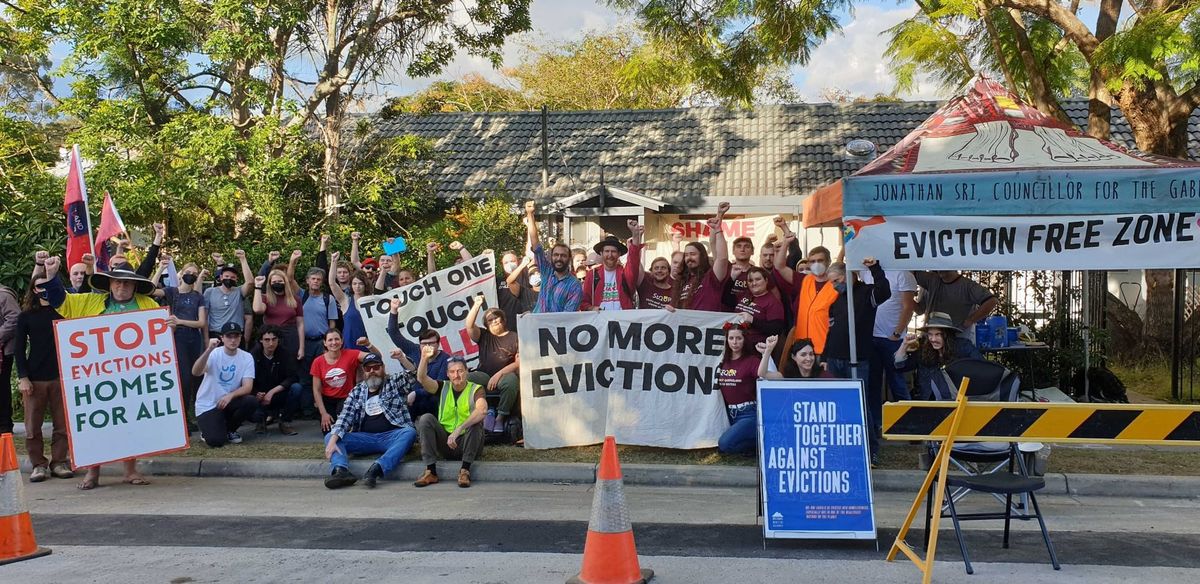
In fact, civil disobedience responses to local housing, transport and environmental concerns are so effective that it's remarkable politicians and advocacy groups don't resort to such actions more often (for what it's worth, I also didn't experience any negative electoral repercussions from supporting protests).
 Jonathan Sriranganathan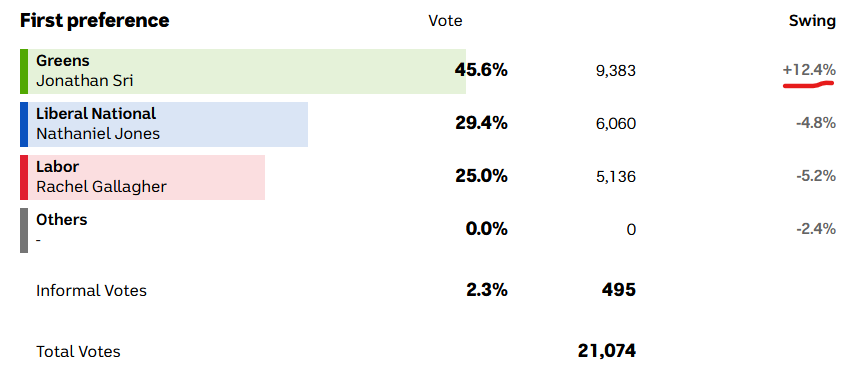
Predictably, the bigger the project or demand, the stronger the community push had to be. There was a rough correlation between the strength of protest and the outcomes achieved.
Weekend rallies in parks often attracted media coverage but only achieved minor reforms or design tweaks, while more disruptive activism that blocked roads or threatened to impact corporate profits forced bigger changes, and in a couple of cases even contributed to destructive projects being cancelled altogether (my 2024 article on the Save Wallum campaign includes an overview of the hardest-hitting 'anti-development' campaigns across Australia in recent decades).
 Jonathan Sriranganathan
Credible threat = more leverage
The biggest advantage of a strategic approach that valued civil disobedience turned out to be broader than the specific projects or laws we contested.
My willingness to co-organise and advocate for direct action also gave me far more general political influence than a lone Greens councillor in a majority-LNP council might've been expected to wield.
When I warned council officers that if they preceded with removing a particular stand of trees, or rewriting a local planning code, or widening a certain stretch of road, I would organise disruptive protests that could blow out costs and timelines, that was often enough to stop the thing before it started.
Importantly, these threats were credible. Power-holders knew I was willing to organise blockades and occupations because if they ever called my bluff, I followed through and showed I was serious. So the major parties and senior public servants had to care about my opinion; ignoring my views risked generating more work and controversy.
After the Greens won more federal seats in 2022, and I stepped down from my role as councillor in early 2023, there was a marked decrease in disruptive protest action around the inner-south side. Over the next 18 months (even before the LNP won government at the state level), political ground was lost on many of the local struggles I'd put energy into during my two terms (cuts to free ferry and bus services, indefinite delays to bikeway projects, expansion of surveillance and increasingly aggressive council policing of key public spaces, upzoning to allow more intensive private development on flood-prone land etc.).
In exploring why this decrease in local activism occurred, we can point to a range of factors including gentrification, the (justified) redirection of energy into Palestine solidarity organising, and a generalised, post-covid cultural downturn in activism across much of the Anglosphere. But we mustn't overlook the specific role that community opinion leaders – whether elected reps and political parties, or so-called civil society groups – frequently play in discouraging radical activism.
Who leads and who follows? A cycle of de-escalation
A crucial question here is the extent to which de facto opinion leaders in a community (including local politicians) feel they should actually lead people towards positive change, or simply reflect and follow popular opinion.
Frequently, elected reps prefer to be 'led by the community' when deciding on advocacy tactics.
They're moulded to believe that if the residents of their electorate aren't supportive of disruptive direct action, it's not their place as politicians to initiate that kind of thing (this is despite elected representatives actually facing a lower risk of losing their job due to being arrested than people in many other professions).
But who is 'the community'? And how do we know what they want?
During my years as a city councillor, I asked specific questions about this in several wide-reaching local surveys.
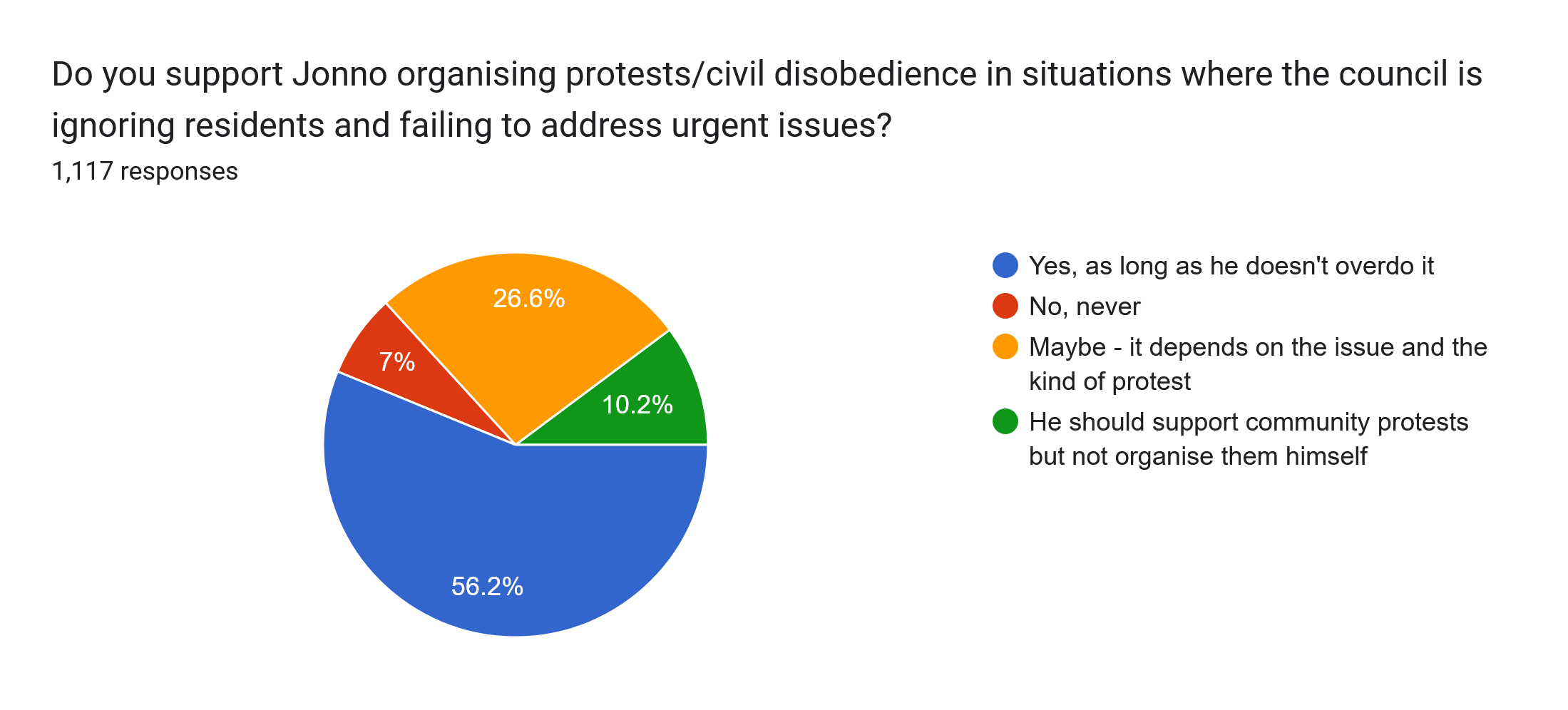
Even during periods of intense media criticism of my support for civil disobedience, I found there was more local public support for me actually organising protests than even some of my fellow Greens branch members expected.
But most elected reps never ask their constituents questions like this. So when they're gauging how radical their community is and what appetite there might be for disruptive civil disobedience, they're not taking guidance from the electorate as a whole.
Usually, they're deferring to opinion leaders from formalised groups – school P&Cs, residents associations, frontline charities, advocacy NGOs, perhaps local churches or mosques etc. The problem is that such entities are structurally conservative and inherently resistant to the kinds of protest tactics that would be most likely to help achieve their aims.
For starters, any group that's considering legal challenges to a particular government decision will be advised by their lawyers not to publicly endorse disruptive protests (such advice is often excessively risk-averse, but NGOs, community associations etc. will generally follow it). A current Brisbane example of this is Save Victoria Park. The largest group that's fighting to protect Barrambin against destructive Olympic stadium proposals is reluctant to openly endorse – let alone organise – any protests that potentially break the law for fear of undermining its legal strategy.
 Jonathan Sriranganathan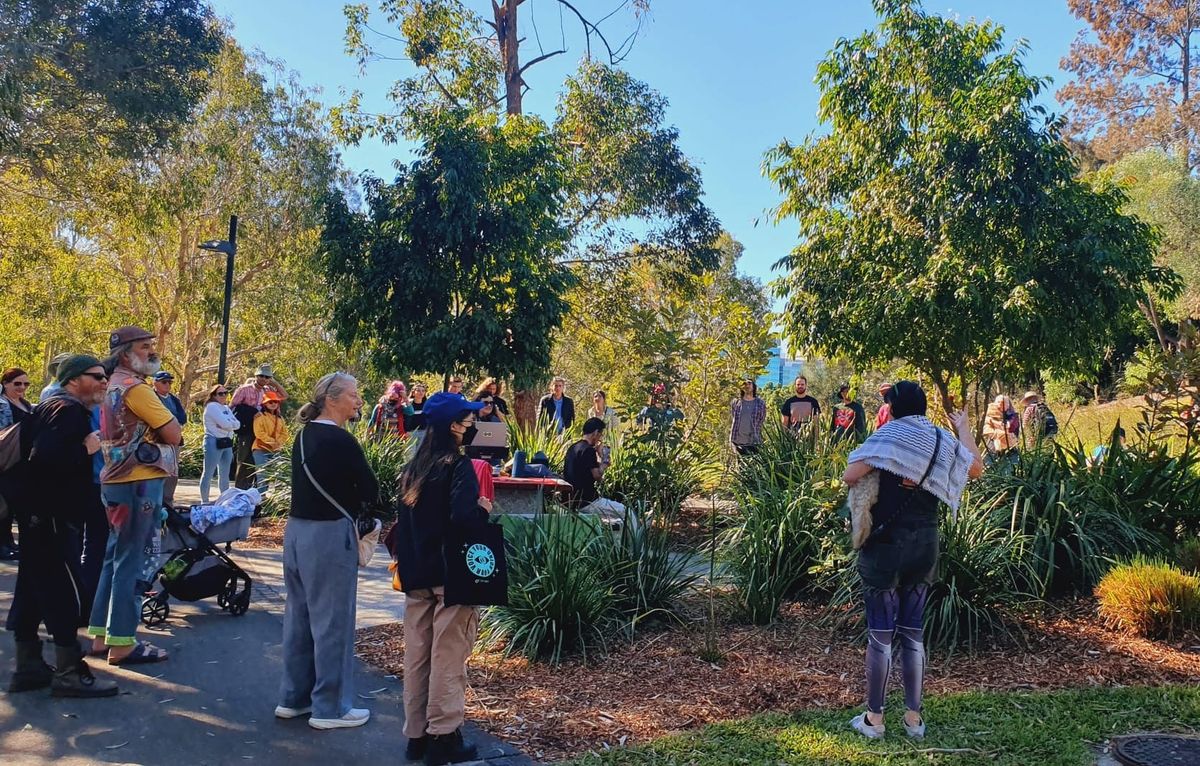
Charities are increasingly cautious about even the mildest forms of political activism out of fear they could lose charitable status. And any organisation that's big enough to be worth suing will also be reluctant to endorse protests that might significantly impact a major business's profits.
P&Cs and School Councils feel heavily constrained by various legislative instruments and their connections to government departments. Meanwhile, other entities that have a strong interest in local government decision-making, such as bushcare groups, sports clubs and community festival committees, are frequently also dependent on government grants or partnerships that they don't wish to jeopardise.
On top of this, the kinds of individuals who take on influential office-bearer roles in formal community groups tend to come from middle-class or upper-class backgrounds, and so are often personally invested in maintaining the status quo and not breaking the law (no matter how unjust it is).
So if a progressive politician or large NGO is considering whether disruptive protest is a worthwhile tactic within a community, but is primarily taking their lead from local groups and individuals who are structurally or culturally incapable of endorsing civil disobedience, direct action won't even make it onto the brainstorming whiteboard.
The signals we send
The cycle completes and reinforces itself when, after deciding there isn't enough support for harder-hitting protests, those elected reps (or other advocacy groups like environmental NGOs), then tell concerned residents to use tactics like petitions and letter-writing which, in isolation from more controversial kinds of direct action, are only ever effective for a narrow range of issues and political contexts.
This is the terrain where Greens politicians in particular can end up maintaining the status quo rather than challenging it.
If you win an election after telling voters you want to make big changes, most of your constituents will assume they don't need to engage in further activism in support of such changes unless you explicitly tell them otherwise. Even among some experienced activists, there can be a sense of "ok we got some Greens reps elected so we can all relax a bit now."
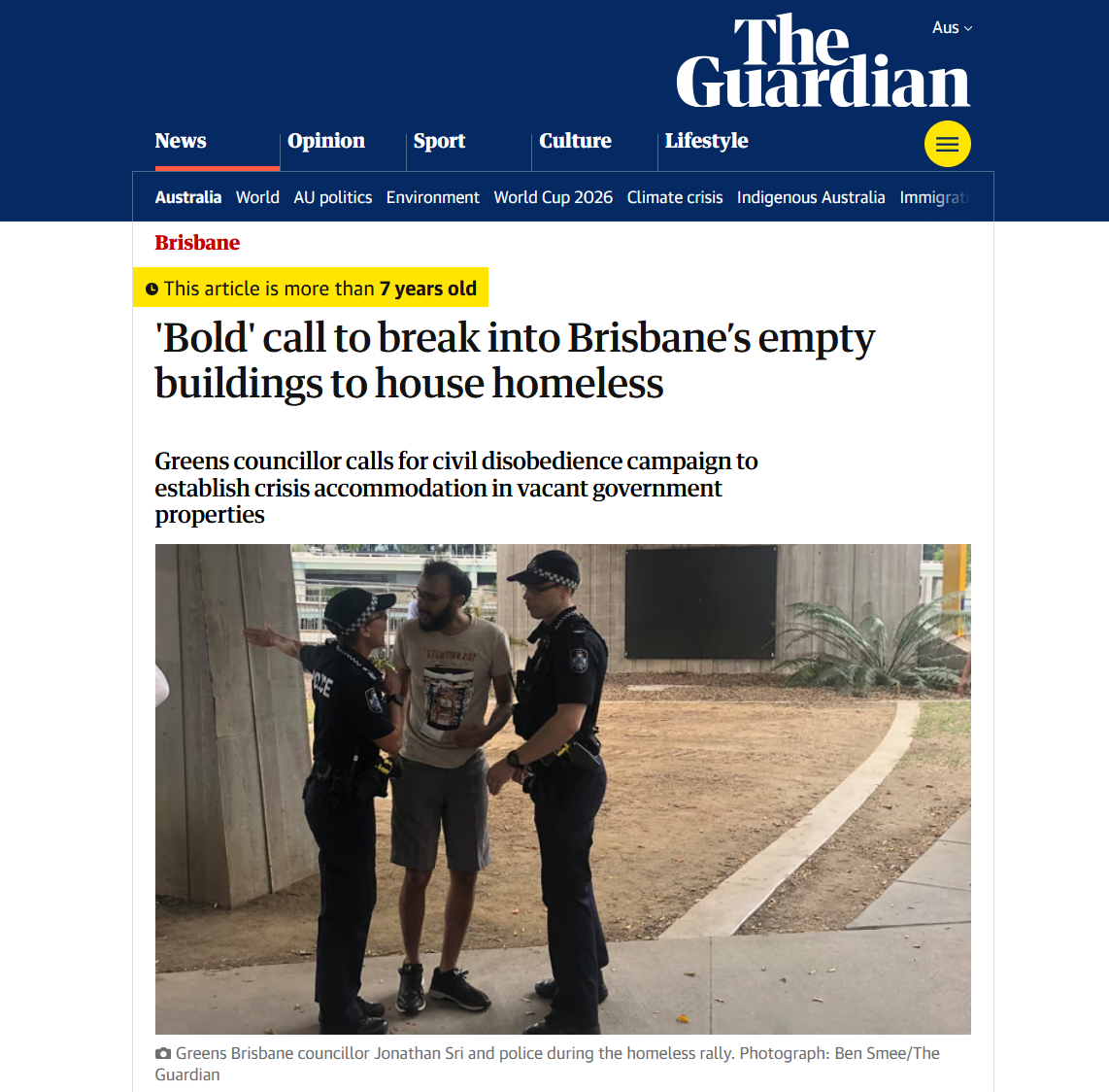
Politicians and large NGOs might prefer it if someone else organised the protest so they can keep their hands clean. But civil society institutions and trade unions are far weaker than they once were.
If the elected reps themselves don't help initiate protest action, who will?
There's rarely anyone else in a community with the capacity to unite and mobilise the hundreds or even thousands of residents who might be supportive of civil disobedience actions if someone was willing to organise them.
Of course, if you ran a survey in Brisbane today about whether members of parliament or city councillors should organise disruptive protests, you may well discover there's more resident opposition than I found 5 or 10 years ago. That's because elected reps can play a significant role in influencing community sentiment and either legitimising or delegitimising different tactics.
The results of the surveys I conducted were of course shaped by years of me telling residents at every opportunity that submissions and petitions were not enough, and actually showing them direct action was necessary and effective. Without those signals, residents' might gradually become more sceptical of civil disobedience.
The good news is that breaking the cycle of de-escalation isn't necessarily that hard. Office-bearers in formalised community groups can push back against the anti-protest culture of their organisations. Politicians and their staffers can speak openly and honestly about the limited effectiveness of non-disruptive advocacy tools like petitions and public meetings. And individual residents can ask strategic questions of both progressive politicians and civil society power-holders... "why aren't you organising a protest when you know the other tactics you're advocating probably won't work?"
The public's comfort with civil disobedience varies greatly depending on how it's framed, the issue in question, and a host of other variables. But I suspect baseline support might be higher than many of us ordinarily assume.
We have heaps of evidence that civil disobedience is an important and effective tool for those of us seeking positive change in our communities. But there's also plenty of establishment pressure and propaganda encouraging us all to follow the rules and norms that maintain the status quo.
If local leaders are reinforcing that pressure by taking the easy route of encouraging residents to write submissions and sign petitions while waiting in vain for some other group to call a protest, we mustn't be afraid (or too polite) to insist that they consider a more radical approach.
Communities won't rise up if the voices they trust keep lulling them to sleep.

It troubles me that more people aren't writing openly about the complex relationships between electoral politics and activism, but I think a lot of the people with knowledge and experience of this space either don't have the time, or don't want to jeopardise employment opportunities.
If you value articles like this being freely available to the public, please consider signing up for a paid subscription to this site so I can find more time to facilitate discussions about this sort of stuff...

Member discussion