Let the centrists push for gas export taxes – the Greens must call for a ban
I fear I'm at risk of developing a reputation as a killjoy.
I don't enjoy writing articles criticising the Greens. But the party is still in a bit of a funk after some disappointing election results, and consequently, a lot of decision-makers seem to have lost their long-term strategic perspective, and are settling for whatever feels good in the moment.
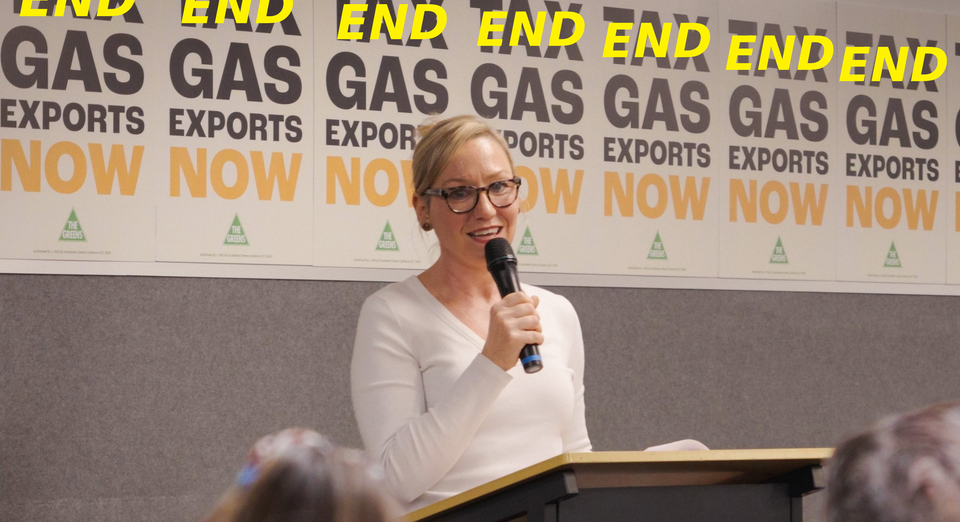
Lately, the Greens have been putting significant organising capacity towards a single-issue campaign for stronger taxation of gas exports. MPs (and branches) are organising political education events about it, pushing the PM on it in Question Time, and sending out emails encouraging supporters to sign petitions and put up 'tax gas exports' signs on their fences.
I'm sure they're getting lots of positive feedback for doing so. Opinion polling suggests a 25% tax on gas exports now has majority support among Australian voters.
The proposal has partially escaped containment, travelling far beyond the political nerds who usually pay close attention to federal tax policy debates. For many voters, the sweetheart arrangement gas exporters currently benefit from is serving as a straightforward exemplar of how the political establishment prioritises corporate profits ahead of the general public interest.
So Greens campaigners who've had tough slogs doorknocking in elections or pushing more controversial issues are undoubtedly getting a buzz from feeling like most people are on their side for once.
Morale is important. If you want volunteers to keep showing up, political campaigning needs to feel fun – and like you're getting somewhere.
But it's also important for political organisations to respect their supporters' intelligence and direct their energy effectively, articulating demands that broaden the parameters of debate, rather than only offering ideas that are palatable to those who wish to maintain the status quo.
So I'm sorry if I sound like a party pooper, but in 2026, taxing gas exports just isn't a bold or transformative enough demand to be worth the amount of energy the Greens are currently investing in it.
While the party has been pushing for the wider fossil fuel industry to pay higher royalties and taxes for years, the specific idea of a 25% tax on gas exports now has the backing of the Australian Council of Trade Unions, the Australia Institute, a range of independent and minor party politicians, and a cohort of high-profile social media influencers with massive reach.
It's also most popular with male voters and older voters – demographics that the Greens have a harder time achieving cut-through with. I suspect the strong nativist arguments advanced by the likes of Konrad Benjamin of Punter's Politics might have something to do with this, but it's hard to say for sure. Is it possible that a lot of the people most excited about a gas tax don't care much at all about climate change, and just really resent the idea that Australia is giving away 'our' gas to 'foreign-owned companies' when domestic gas prices are so high?
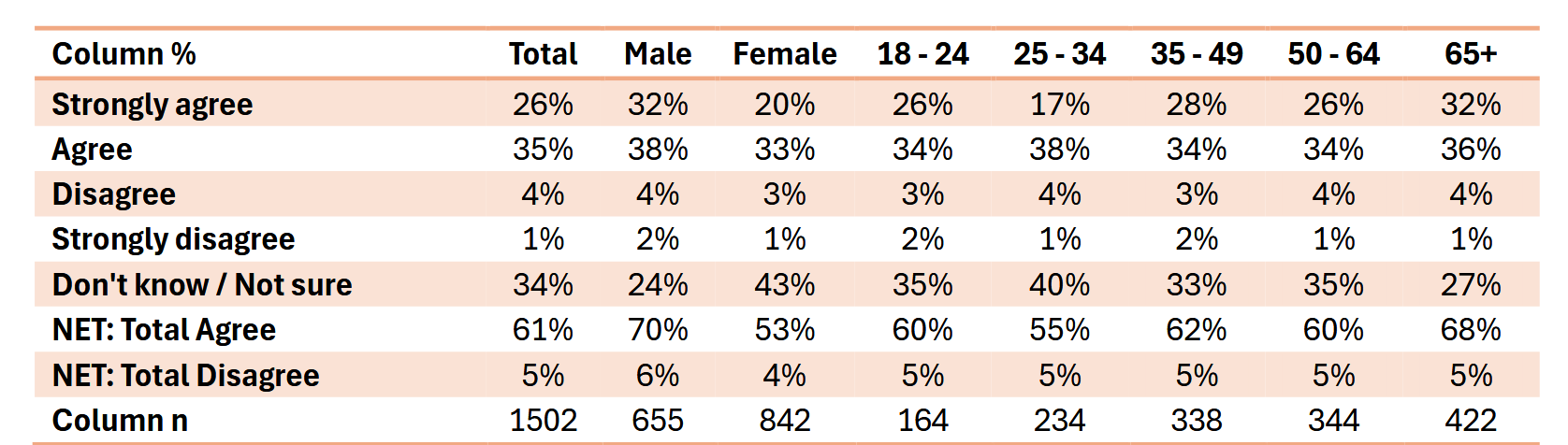
Targeted seat polling seems to confirm that upper-middle-class voters – the kinds of people who are more inclined towards centrist reformism than radical change – are more likely to be excited about a gas export tax. This makes sense because at the end of the day, the proposal represents a modest reform to the established order, not a break with it.
The continued extraction and burning of fossil fuels is having devastating impacts on the planet's climate. So it's worth asking why the Australian Greens are muddying the water with focussed campaigning on a gas export tax, when the science is very clear we need to end gas exports ASAP, and even the party's own policy platform calls for reducing gas exports to zero.
At this point, debates about taxing gas feel a little like rearranging deck chairs on the Titanic
Free childcare and great teeth on a burning planet
Over the past decade, the Greens have rightly shifted to emphasising positive aspects of the party's broader vision, highlighting that a more sustainable future doesn't have to involve deprivation and scarcity.
The annual revenue from a 25% gas export tax – estimated at $17 billion – would be enough to pay for all Australians to receive free dental care or free tertiary education (but probably not both).
But the social democratic vision of universal free education, childcare, healthcare (including free dental and mental health) etc. is really only a positive one if coupled with serious climate action. Ensuring young Aussies can graduate without HECS debt seems almost trivial when global warming is leading to acute food shortages, mass displacement of refugees and increasingly severe climate disasters.
I don't want to downplay all the good stuff you could do with those billions of dollars. But when you think globally, the harm of extracting and exporting all that gas far exceeds any good that can come of the money (even assuming the government wouldn't just spend it on military killing machines and tech industry handouts, which seems more likely based on Albo's current demonstrated priorities).
Consider the role Australia currently plays in international debates about climate action... When one of the world's wealthiest per capita nations says, "we can't afford to take serious climate action by ending fossil fuel exports – we need the revenue to provide for our citizens" that's deeply damaging to global attempts to negotiate the rapid phase-out of fossil fuels we urgently require.
Australia is now the world's second largest coal exporter and third largest LNG exporter. The harm from our huge fossil fuel exports is twofold – the carbon emissions from the fuel itself and the wider political damage we do to global climate negotiations by refusing to end exports despite our national prosperity.
Yes, taxing fossil fuel exports for a decade or so would provide revenue that Australia could – in theory – use to retrain workers, build renewable energy and fund other aspects of a just transition. That was a good idea when the Greens started pushing it 15 or 20 years ago.
But it's 2026 now – we don't have decades to spare. Every year of additional gas exports contributes to more environmental damage than we could ever hope to compensate or mitigate via the extra tax revenue.
Imagine saying "well yes we would've liked to take serious climate action by ending gas exports, but we needed the money for free childcare" to a group of Nepalis or Haitians or Tuvaluans on the receiving end of global warming's most acute impacts.
When right-wing parties (including Labor) are acting as though gas exports will continue for decades, and centrist independents are calling for higher taxes without mentioning climate change, someone needs to be brave enough to argue for ending gas exports as soon as possible – that responsibility falls to the Greens.
Does a gas tax at least make it easier to end fossil fuel exports?
While gas tax advocates frequently point to Norway's huge sovereign wealth fund as an example of how Australia should be reinvesting fossil fuel revenue, Norway's long-running approach of aggressively taxing oil and gas exports has not supported an urgently-needed contraction of the country's fossil fuel industry.
Domestically, Norway is investing significantly in a renewable energy transition, but it also continues to issue new licenses for fossil fuel extraction projects. Norway's export volumes for crude oil and oil products have increased steadily in recent years (even before the Russia-Ukraine war). Crude oil production is now 200 000 TJ higher than a decade ago. Gas exports have followed a similar pattern. The country's fossil fuel industry might have grown faster if not for the high tax regime, but the key point is that it's still growing.
Examples like Norway make me question the accepted wisdom within parts of the climate movement that making fossil fuel companies pay higher taxes and royalties to reduce their profit margins is a helpful intermediary step towards phasing them out altogether.
Australia's recent political history reinforces this scepticism: the states whose budgets depend most heavily on revenue from mining also consistently advocate most assertively against stronger environmental laws that would restrict new fossil fuel projects.
When governments become dependent on coal, gas or oil tax revenue to fund essential services, it can become politically harder, not easier, to phase out fossil fuels altogether.
It's reasonable to conclude a stronger tax regime might help slow the growth of Australia's gas industry and make some marginally-profitable future gas extraction projects unviable. But even the Greens' additional comments on the senate committee report seem to acknowledge that a 25% export tax is too modest to actually shrink the industry.
We have no evidence the gas export tax proposals currently being pushed by the ACTU, the Australia Institute and others would actually contribute usefully to a phase-out. In fact, they seem to presume exports would continue for at least the next decade.
While a gas tax doesn't necessarily get us much closer to banning fossil fuel exports, I could at least understand the Greens focusing on this issue if it was an obvious vote-winner. But even that doesn't seem to be the case...
The Greens aren't winning votes by campaigning for a gas tax
While a gas exports tax is broadly popular, there's currently no opinion polling or research suggesting Greens messaging on the issue is translating to meaningful growth in the party's vote share.
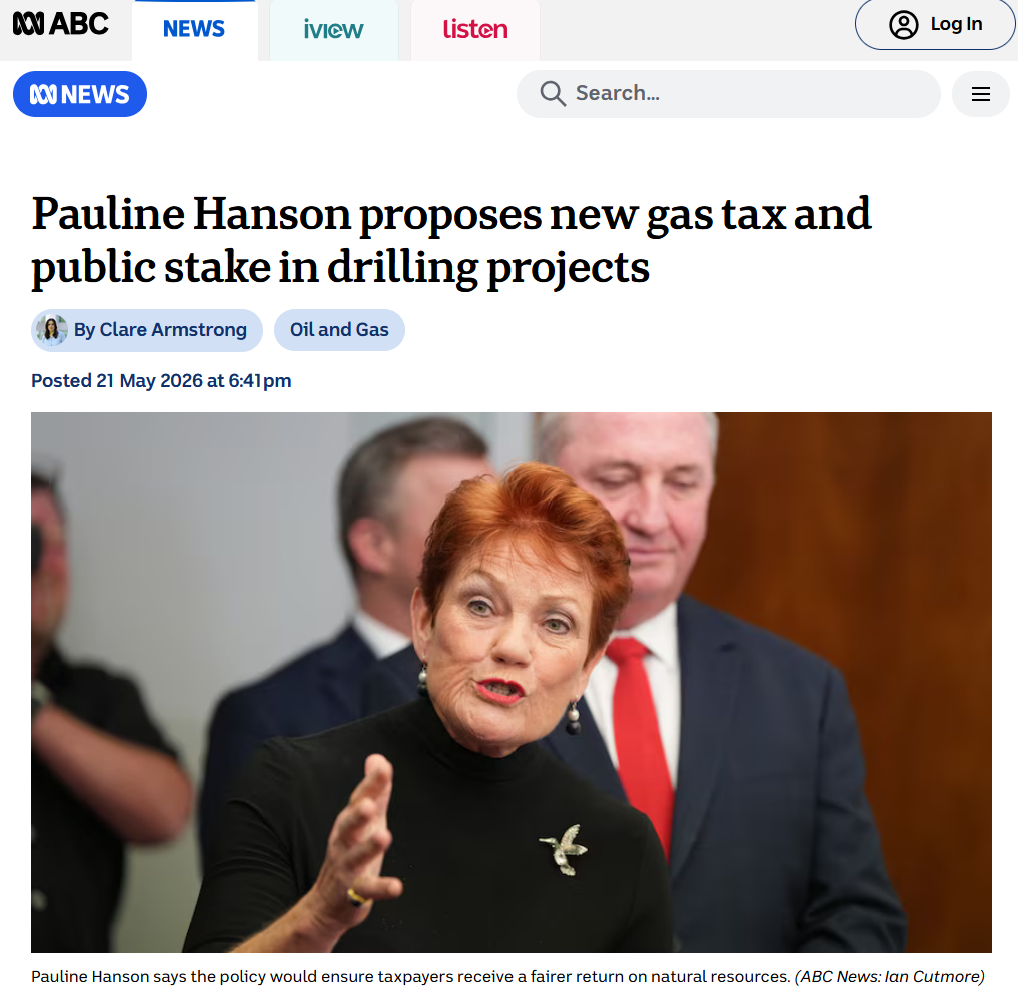
David Pocock and other independent MPs are getting more coverage on the issue than the Greens, leading some voters who are concerned about it to swing to teal candidates first. And the dry technicalities of tax policy coupled with short public attention spans mean even parties like One Nation can say "yes, yes we also support taxing gas exports" and pick up disaffected voters while announcing policies that are actually way friendlier to the gas industry.
Highlighting the major parties' favourable treatment of the gas industry certainly has an electoral impact in terms of reinforcing a more general anti-establishment sentiment. But rising anti-government resentment doesn't automatically increase the Greens vote when many voters see the party as part of the political establishment.
 Jonathan Sriranganathan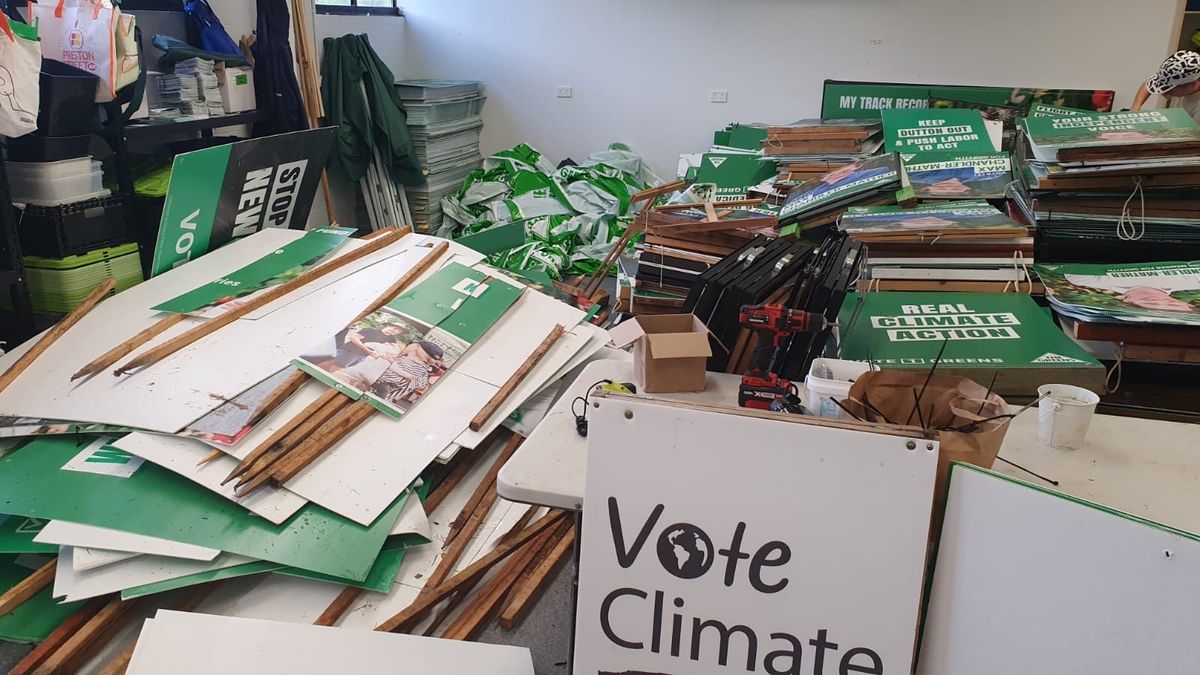
We perhaps saw evidence of this in the recent WA by-election for Secret Harbour. Gas exports weren't the top issue in the electorate, but if Labor's decision to run a gas industry lobbyist angered some voters, that doesn't appear to have translated to any growth in support for the Greens.
Perhaps another part of the problem is that while taxing gas exports is quite popular among some demographics, it's simply not the defining issue that swings people's votes in the way that a direct cost-of-living measure on housing or healthcare might be. "Do you think Albanese should implement a gas tax?" can yield a very different answer to the question "Does Albanese's failure to implement a gas tax mean you'll start voting Greens?"
The demand is too abstract to resonate with a lot of voters who are struggling financially, particularly when there's no guarantee that additional tax revenue would actually be used for the benefit of ordinary people.
So the Greens are pushing for a policy reform that seems unlikely to win them many votes, and even if it were implemented, might complicate rather than hasten the move towards an outright ban on fossil fuel exports.
Is this doing more harm than good by lowering people's expectations of what's possible?
Narrowing the parameters of debate
The tax gas exports demand presumes the continued existence of massive corporations that mine non-renewable resources (which they don't own) to sell them for a profit, while seeking every possible loophole to avoid environmental protections.
There's no mention of nationalising these companies or converting them into worker-owned cooperatives. The political vision it sketches out is nowhere near as transformational or inspiring as imagining a world without big profit-driven gas corporations.
 Jonathan Sriranganathan
But even more concerningly, it arguably normalises the idea that we need to continue exporting fossil fuel resources if we want decent public services like free TAFE and uni. If your message is "make uni free – tax gas exports" you're diverting attention from other potential revenue sources (e.g. taxing/seizing the existing wealth of the mega-rich) that could easily fund free tertiary education even if fossil fuels were banned tomorrow.
With time running out to end fossil fuel extraction and avoid major climate tipping points, this feels like a political dead end. Are the Greens suggesting Australia would tax gas exports for another 5 years – say until 2031 – and then rapidly phase them out just when the federal Treasury is becoming accustomed to the extra tax revenue?
Treating gas as though it's just another export commodity, rather than a fossil fuel that will cook the planet if we keep extracting and burning it, completely sidelines climate change from the conversation. But if you don't focus on climate change as the strongest argument for making gas exports unprofitable, you end up mired in endless, inane arguments about how much tax you can extract without triggering capital flight and job cuts.
The most prominent gas export tax advocates – David Pocock and Konrad Benjamin included – frequently use language that's calculated to stoke and appeal to nationalist sentiment, but rarely mention global warming at all when discussing the issue. This inadvertently serves the right-wing narrative that Australia must double down on its status as a petrocracy to guarantee its own citizens a good life, regardless of the global environmental impacts.
If other major players behind the campaign had centred climate change in the discussion, and were clearly framing the 25% tax as an interim step towards banning gas exports, they would at least be educating their thousands of supporters about the urgent need to phase out fossil fuels. But they're presenting it as a revenue-raising measure, which means that even if phasing out fossil fuels is their secret aim, they're not shifting more voters towards supporting that goal.
If we'd starting properly taxing gas exports to fund a just transition away from fossil fuels back in 2005 or 2010, Australia would be in a much better position today. But that opportunity to capture tax revenue as we gradually phase out the industry has now closed.
Fossil fuel exports must end as soon as possible, and the money needed to retrain workers for other industries, rehabilitate damaged landscapes, and fund investment in renewables will have to come from other sources.
I'm not suggesting "end gas exports now" is necessarily a vote-winning message for the Greens. But "tax gas exports now" isn't either. So the party might as well embrace the most important role it currently plays in Australia's political landscape – broadening the parameters of political debate.
For the Greens, making the environmental case for why a tax doesn't go far enough and why we need to rapidly phase out gas exports altogether offers several benefits:
- It differentiates the Greens from the many other political forces calling for more moderate incremental tax reforms, and plays to the party's strengths by re-centering debates about the future of fossil fuels around climate change.
- It will give Greens MPs more negotiating leverage if Labor does end up moving on this issue and requires Greens support in the senate.
- It helps delegitimise the gas export industry, forcing fossil fuel propagandists to work harder to defend their social license, which in turn makes concessions such as stronger taxation more likely.
If you're pessimistically assuming there's no chance of banning gas exports in the next 5 to 10 years, and taking the view that we might as well try to tax them for now, arguing for an immediate phase-out is still the more powerful political position.
The Greens certainly don't need to oppose higher taxes on fossil fuel exports, but progressive forces will win the argument for a gas export tax sooner if the largest political party to Labor's left consistently insists on an outright ban.
Some alternatives for the Greens to focus on
A lot of Greens campaigners rightly want to be doing something right now beyond waiting for the next election, and it's easier to build momentum when campaigning on an issue that already resonates with large segments of the public.
So here's a quick brain dump of other ongoing struggles (apart from banning fossil fuel exports) the party could focus on that have greater potential to swing votes, build supporter capacity and win some unequivocally positive material changes...
Stand against artificial intelligence: the party has a strong point of difference from Labor, Liberal, One Nation and the teals on this front and some Greens reps are already achieving cut-through in this space. A full-throated 'boycott AI' campaign could tap into numerous emerging concerns, from disinformation, deep fakes and algorithmic manipulation of public opinion, to the environmental and urban planning impacts of data centres, to intrusive AI-enabled surveillance, policing and automated warfare, to automation-driven job losses and worker precarity, to AI slop proliferation and its threat to the arts.
Crucially, a campaign against AI can offer supporters more meaningful, tangible steps to take – reducing their own reliance on AI and refusing its incorporation into their workplaces, schools and universities – rather than just signing petitions and sending emails to disinterested politicians, which is mostly what the tax gas campaign seems to be doing.
Renters rights now: regardless of what happens to Australian property prices over the next few years, it's likely millions of renters will continue struggling with high rents and poor housing conditions. For people on lower incomes, rent remains the biggest cost of living stress, and high rents are also a major contributor to rising inflation.
Max Chandler-Mather demonstrated that thousands of people across the country are willing to mobilise around housing justice campaigns (which is why the establishment attacked him so relentlessly). So why not double-down on earlier campaigning for a rent freeze, or even go a step further and demand government-mandated rent cuts alongside stronger protections against unfair evictions?
Improving rental affordability is a more effective vote-swinger than almost any other policy goal the Greens have been highlighting in recent years. Rental precarity won't go away anytime soon, and unlike the gas tax campaign, it's an issue the party can own without fearing the teals will take all the credit.
A fairer migration system: a huge and growing cohort of voters (perhaps as many as three or four million) have close relatives living overseas, many of whom currently struggle to secure visas to enter the country (whether that's tourist visas for short-term visits or family reunion visas so that working-age citizens can resettle elderly parents here). The Greens have historically struggled to connect with these new migrant cohorts, but the rise of One Nation and the major parties' rightward drift on immigration policy means many of these voters are looking for a political home.
The Greens could stand more firmly against anti-immigration rhetoric and lean into a message of racial justice and fair process, critiquing the long wait-times, high fees and low visa approval rates that many families grapple with. A 'fair go for migrants' campaign would offer progressive voters who are concerned about One Nation's rise a clear point of difference from Labor (whose current response to One Nation is to further tighten an immigration system that's already among the world's strictest). Such a campaign could form part of a deeper reorientation for the Greens towards being widely recognised as the anti-racist, anti-imperialist party in Australia.

I could list numerous other issues – from domestic violence to disability justice – that the Greens could be putting resources into campaigning on.
I'm sure party MPs are receiving enough positive feedback about the gas tax campaign from highly engaged centrists that it superficially feels like they're onto a winner. But a deeper strategic analysis of what policy demands resonate with the most marginalised members of society, and actually move us closer to the kind of world we want to live in, might lead to very different conclusions about where the party should focus its energy.
The world is already burning, and we're running out of time to turn things around. Fossil fuels are destroying the planet, so the right move for the Greens is to call for gas exports to stop, and argue the case for that position.
Anything else is just hot air.

If you value critically reflective political commentary like this, please support my writing by signing up for a monthly subscription.
And if you live in Brisbane, come along to our next free community event!



Member discussion